
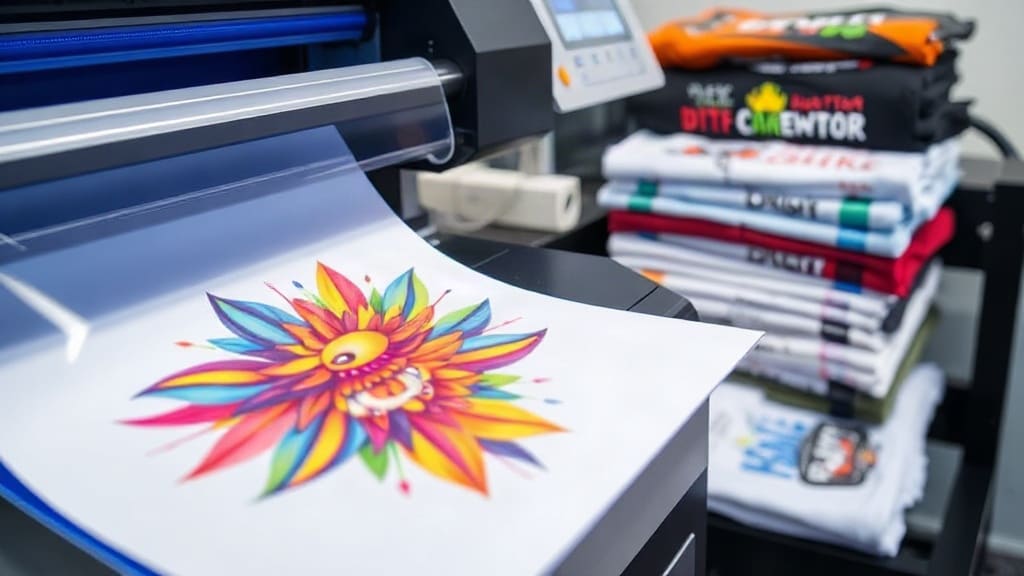
DTF printing, short for direct-to-film, has taken the custom apparel world by storm. If you've ever wanted to produce vibrant, soft-feel prints on a variety of fabrics without the hassle of weeding intricate designs, DTF might be your answer. Unlike traditional screen printing or heat transfer vinyl, DTF offers a unique blend of flexibility and quality, making it a favorite for small businesses and hobbyists alike. In this guide, we'll walk you through everything you need to know about this game-changing technology, from the basics to advanced tips.
What Is DTF Printing?
At its core, DTF involves printing your design onto a special PET film using a specialized inkjet printer and pigment inks. The printed film is then coated with a hot-melt adhesive powder, cured, and finally transferred onto a substrate using a heat press. The result? A durable, stretchable, and highly detailed print that adheres to cotton, polyester, blends, and even tricky materials like nylon.
What sets DTF apart is its ability to handle full-color designs with gradients and photographic details without requiring color separation. Plus, since the transfer is done via film, you don't need to worry about mirroring your design, which simplifies the workflow.
How Does DTF Printing Work?
Understanding the process helps you troubleshoot and optimize your output. Here's a step-by-step breakdown:
1. Printing the Design
You start by printing your design onto the film using a printer equipped with white ink. Most DTF printers are modified Epson or Ricoh models that support CMYK plus white. The white ink is crucial because it provides an opaque base, allowing colors to pop even on dark garments.
2. Applying Adhesive Powder
While the ink is still wet, you sprinkle a special hot-melt powder over the printed film. This powder acts as the glue that bonds the design to the fabric. You'll want to ensure even coverage, shaking off any excess.
3. Curing the Powder
Next, the film goes through a curing process, either in a dedicated powder curing oven or with a heat gun. This melts the powder, which then bonds with the ink, creating a solid transfer layer.
4. Pressing the Transfer
Once cured, you place the film onto your garment (ink side down) and apply heat and pressure using a heat press. The recommended temperature is usually around 160°C to 170°C (320°F to 338°F) for 15 to 20 seconds. After it cools slightly, you peel off the film, leaving your design perfectly embedded in the fabric.
Materials You Need for DTF Printing
To get started with DTF, you'll need the following essentials:
- DTF printer: A printer that supports pigment inks with white ink capabilities. Many users convert EcoTank or SureColor models.
- PET film: Specially coated film that captures the ink and releases cleanly during pressing.
- DTF inks: Water-based pigment inks with excellent color gamut and washability.
- Hot-melt adhesive powder: Available in different particle sizes; fine powder for detailed transfers, coarse for heavy fabrics.
- Heat press: Essential for applying the transfer with precise temperature and pressure.
- Shaker or powder applicator: To evenly coat the film with powder.
Pros and Cons of DTF Printing
Like any method, DTF has its strengths and limitations. Here's a balanced look:
Advantages
- Works on a wide range of fabrics, including cotton, polyester, blends, and even leather.
- Soft hand-feel compared to vinyl or plastisol transfers.
- Excellent durability: withstands repeated washing without cracking or fading.
- No weeding required, saving time and labor.
- High detail and vibrant colors, including CMYK plus white for opacity.
- Lower upfront cost than screen printing for small batches.
Disadvantages
- Requires specialized equipment and materials, which can be pricey initially.
- White ink can be finicky and requires regular maintenance to prevent clogging.
- Film and powder add per-print costs, though they become cheaper with volume.
- Not ideal for very large orders where screen printing is more cost-effective.
DTF vs. Other Transfer Methods
To truly appreciate DTF, it helps to compare it with alternatives like sublimation, vinyl, and direct-to-garment (DTG).
DTF vs. Sublimation
Sublimation works only on polyester or polymer-coated surfaces and requires the dye to bond with the fabric at a molecular level. DTF works on any fabric, including cotton, making it more versatile. However, sublimation offers a permanent, never-fade result on polyesters, while DTF may show slight fading over many washes on certain fabrics.
DTF vs. Heat Transfer Vinyl (HTV)
HTV involves cutting out designs from colored vinyl sheets and weeding out unwanted parts. It's great for simple, solid-color designs but struggles with gradients and photos. DTF prints full-color images with no weeding, saving time and allowing more complex designs.
DTF vs. Direct-to-Garment (DTG)
DTG prints directly onto the garment using a specialized printer. It offers a soft hand-feel but requires pretreating cotton garments and has slower production speeds for batches. DTF transfers can be pre-printed and applied quickly, making it more efficient for small to medium runs.
Tips for Getting the Best Results
Here are some practical tips I've gathered from hands-on experience to help you master DTF printing:
1. Use a Quality RIP Software
Color management is key. Invest in a good RIP (Raster Image Processor) software to control color profiles and ensure accurate white ink layering. This will prevent dull prints and increase vibrancy.
2. Maintain Your Printer Regularly
White ink is prone to settling and clogging. Shake your ink cartridges daily and run a nozzle check every day. Use a good cleaning solution and consider installing a circulation system to keep the ink flowing.
3. Calibrate Your Heat Press
Temperature and time are critical. Too much heat can scorch the film, while too little causes poor adhesion. Use a heat gun or thermometer to verify your press's accuracy. For most fabrics, 160-170°C for 15 seconds works well, but always test on a scrap piece.
4. Choose the Right Powder
Fine powder is perfect for detailed designs with small text, while coarse powder offers stronger adhesion on heavy fabrics. Experiment with different types to find what suits your product line.
5. Press with Firm, Even Pressure
Ensure your heat press applies uniform pressure. If you're using a clamshell press, consider a heat press pillow or a Teflon sheet to distribute pressure evenly on uneven surfaces.
Common DTF Problems and Solutions
Even experienced users encounter issues. Here are a few common ones and how to fix them:
Design Peeling After Washing
This usually happens due to insufficient powder or low pressing temperature. Ensure you apply enough powder and that it's fully cured before pressing. Also, increase the pressing time slightly.
Faded Colors
If your prints look washed out, it might be because your white ink layer is too thin. Increase the number of white ink layers in your RIP settings, and make sure your CMYK colors are vibrant.
Film Sticking to Garment
If the film doesn't release cleanly, the transfer might be over-pressed, or the film's coating might be wrong. Reduce pressing time or use a different film brand.
Frequently Asked Questions
Can DTF prints withstand frequent washing?
Yes, when applied correctly, DTF prints are quite durable. They can withstand 40-60 wash cycles without significant fading or cracking if you follow recommended care instructions: washing inside out in cold water and avoiding bleach.
Do I need a heat press for DTF, or can I use an iron?
While a heat press is recommended for consistent results, you can technically use a home iron for small projects. However, maintaining even temperature and pressure is difficult, leading to less durable transfers. For professional quality, invest in a heat press.
What fabrics are not suitable for DTF?
DTF works on most fabrics, but extremely low-quality or water-repellent materials like some performance wear might not bond well. Also, fabrics with a high stretch might cause cracking if the transfer is too rigid. Always test on a sample first.
Is DTF printing cost-effective for small businesses?
Absolutely. With no minimum order quantities and reduced labor, DTF allows you to produce custom items on demand. The initial setup cost is higher than vinyl, but the time saved and versatility make it worthwhile for small to medium production runs.
How long does a DTF transfer last on a garment?
Properly applied DTF transfers can last for years with normal wear and washing. The lifespan depends on the fabric and care, but many users report over 50 washes without major deterioration.
Final Thoughts
DTF printing has opened doors for creators and entrepreneurs, offering a perfect balance of quality, speed, and flexibility. Whether you're just starting or looking to expand your production capabilities, understanding the nuances of DTF will help you create stunning apparel that customers love. Remember, practice makes perfect: experiment with different settings, materials, and designs to find your sweet spot. Happy printing!