
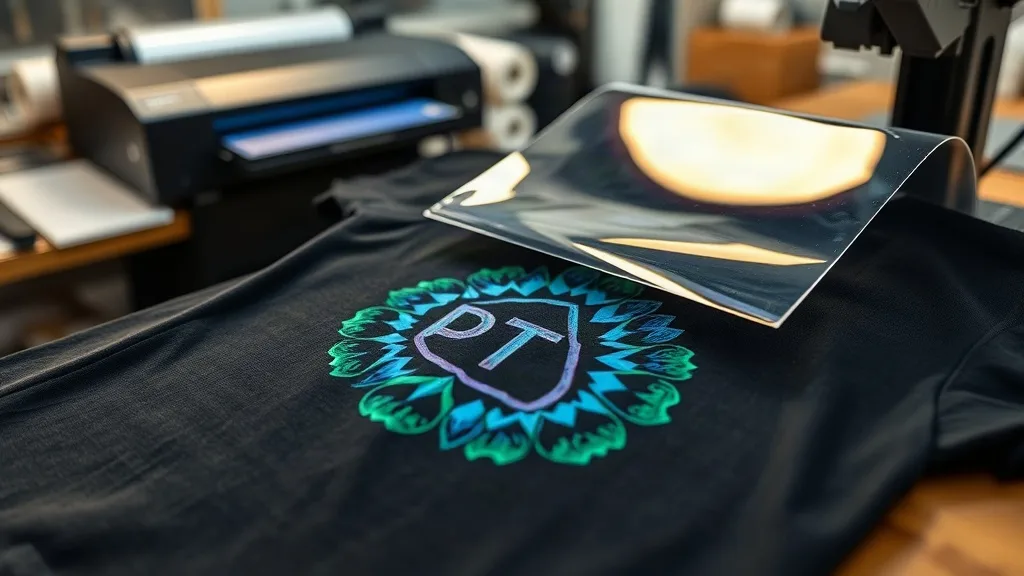
If you've been anywhere near the custom apparel scene lately, you've likely heard the buzz about dtf printing. It's not just another trend; it's a game-changer that's making high-quality, full-color designs accessible to everyone, from hobbyists to large-scale production shops. Unlike traditional methods that require specific fabrics or complicated setups, dtf transfers offer a versatile, cost-effective solution that delivers stunning, durable results on almost any material. Whether you're looking to start a print-on-demand business, create custom team jerseys, or simply add a personal touch to your own wardrobe, understanding DTF technology is your first step toward unlocking a world of creative possibilities.
What Exactly Are DTF Transfers?
At its core, dtf stands for Direct to Film. It's a printing process where your design is printed onto a special PET film using a DTF printer. The printer lays down a layer of white ink (which acts as a base), followed by a layer of CMYK inks (cyan, magenta, yellow, black) to create the full-color image. After printing, a fine layer of hot-melt adhesive powder is applied to the wet ink. This powder is crucial because it allows the design to bond with the fabric when heat-pressed. Once the powder is cured, the film is ready to be transferred onto a garment or other substrate. The result is a vibrant, stretchable, and wash-resistant print that feels soft to the touch.
Why DTF Is Revolutionizing Custom Printing
DTF has quickly gained popularity for several compelling reasons. Let's break down the key advantages that set it apart from other decoration methods like screen printing, DTG (Direct to Garment), and vinyl.
1. Unmatched Versatility
One of the biggest draws of dtf transfers is their ability to adhere to a wide range of materials. While DTG works best on 100% cotton, DTF can be applied to cotton, polyester, blends, nylon, leather, and even treated wood or glass. This opens up a realm of possibilities for personalizing items that were previously difficult to decorate, such as performance wear, tote bags, and even shoes. No more worrying about the fabric content; DTF has you covered.
2. Full-Color and Photographic Detail
Because DTF uses CMYK inks, it can reproduce incredibly detailed, full-color images with gradients, shadows, and fine lines. There's no need to limit your designs to a few spot colors like with screen printing. Whether you have a complex photograph or a vibrant illustration, dtf transfers will capture every nuance with impressive clarity. The white ink base ensures that colors pop even on dark garments, eliminating the need for a separate white underbase.
3. No Weeding or Cutting Required
If you've ever worked with heat transfer vinyl (HTV), you know the tedious process of weeding out tiny details. DTF eliminates that entirely. The design is printed and powdered, and you simply cut around the image (or use a pre-cut transfer) and press. This saves an enormous amount of time and labor, making it ideal for small businesses and hobbyists who want to produce professional-looking items quickly.
4. Durability and Stretchability
When applied correctly, dtf transfers are incredibly durable. They withstand repeated washing without fading, cracking, or peeling. The hot-melt adhesive creates a strong bond that moves with the fabric, so even on stretchy materials like spandex or athletic wear, the print won't crack. This makes DTF perfect for items that need to endure daily wear and tear.
5. Cost-Effective for Short Runs
Screen printing requires separate screens for each color, which can be expensive for small orders. DTF, on the other hand, has no setup costs per color. You can print one shirt or one hundred with the same cost per transfer. This makes it an excellent choice for print-on-demand, personalized gifts, and small batch production. The ability to gang multiple designs on a single film also reduces waste and cost.
How to Apply DTF Transfers: A Step-by-Step Guide
Applying DTF transfers is straightforward, but following the correct steps is essential for a professional, long-lasting result. Here's what you need to know.
What You'll Need
- A heat press (or a home iron with no steam)
- Your DTF transfer
- The garment or item you're decorating
- Parchment paper or a Teflon sheet
- Heat-resistant tape (optional, for keeping the transfer in place)
Step-by-Step Instructions
- Preheat the garment: Set your heat press to the recommended temperature (usually 300°F to 325°F / 150°C to 160°C). Pre-press the garment for 5-10 seconds to remove moisture and wrinkles. This ensures a smooth surface for the transfer.
- Position the transfer: Place the DTF transfer on the garment with the printed side facing up. If your transfer has a white backing, that's the side that goes against the fabric. Use heat-resistant tape to secure it if needed.
- Press: Cover the transfer with parchment paper or a Teflon sheet. Apply medium to heavy pressure for 10-15 seconds. The exact time and temperature can vary depending on your press and the transfer manufacturer's instructions, so always test first.
- Peel: DTF transfers are typically "hot peel" or "cold peel." Most modern transfers are hot peel, meaning you can remove the film immediately after pressing while it's still hot. Peel the film off in a smooth, consistent motion. If you see any ink lifting, quickly lay the film back down and press for a few more seconds.
- Post-press (optional): For extra durability, you can cover the design with parchment paper and press again for 5-10 seconds. This helps the adhesive fully cure.
Tips for Best Results
- Always check the specific instructions provided with your dtf transfers, as different manufacturers may have slightly different recommendations.
- Use a heat press rather than an iron for consistent pressure and temperature. Irons can cause uneven results.
- Test on a scrap piece of fabric first to dial in your settings.
- Allow the garment to cool completely before wearing or washing.
Common Mistakes to Avoid with DTF
Even though DTF is forgiving, a few common pitfalls can lead to disappointing results. Here's how to steer clear of them.
1. Insufficient Pressure
Pressure is just as important as temperature and time. If you don't apply enough pressure, the adhesive won't fully bond with the fabric, leading to peeling or cracking. Make sure your heat press is calibrated and you're using firm pressure.
2. Wrong Temperature
Too low, and the adhesive won't activate; too high, and you risk scorching the fabric or the transfer itself. Always follow the recommended temperature range for your specific transfer and fabric type. When in doubt, start lower and increase gradually.
3. Peeling Too Soon or Too Late
Peeling at the wrong time can ruin the transfer. If you peel too soon (for cold peel) or too late (for hot peel), the ink may not adhere properly. Know your transfer type and follow the instructions precisely.
4. Ignoring Fabric Limitations
While DTF works on many materials, some fabrics like those with a heavy silicone coating or waterproof finishes may require special pre-treatment. Always test on a small area first.
DTF vs. Other Printing Methods: A Quick Comparison
To help you decide if DTF is right for your project, here's how it stacks up against other popular techniques.
DTF vs. DTG
DTG (Direct to Garment) prints directly onto the fabric and works best on 100% cotton. It's great for detailed, soft prints but struggles with polyester and dark colors. DTF, with its transfer step, handles a wider range of fabrics and produces more vibrant colors on dark garments without pre-treatment.
DTF vs. Screen Printing
Screen printing is cost-effective for large orders of simple designs with few colors. It requires setup time and screens. DTF is more cost-effective for short runs and complex, full-color designs, with no setup fees. Screen printing typically has a thicker feel, while DTF is softer and more flexible.
DTF vs. Vinyl (HTV)
HTV is great for simple text and single-color designs, but weeding is time-consuming and multi-color designs require layering. DTF allows for complex, multi-color designs without weeding, and the prints are generally more durable and stretchable.
Frequently Asked Questions About DTF Transfers
How long do DTF transfers last?
With proper application and care, DTF transfers can last as long as the garment itself. They are highly durable and resistant to cracking, peeling, and fading. Following the washing instructions (inside out, cold water, no bleach) will maximize their lifespan.
Can I use a regular iron for DTF transfers?
While it's possible to use a home iron, it's not recommended for professional results. Irons don't provide consistent pressure or temperature, which can lead to uneven adhesion. A heat press is a much better investment if you plan to do multiple transfers.
Do I need a special printer for DTF?
Yes, DTF printing requires a dedicated DTF printer that uses DTF inks and can handle the PET film. However, if you're not ready to invest in a printer, you can purchase pre-printed DTF transfers from suppliers and apply them with a heat press. This is a great way to get started without a large upfront cost.
What fabrics work best with DTF?
DTF works on almost any fabric, including cotton, polyester, blends, nylon, and leather. It's particularly useful for polyester and synthetic fabrics where other methods like DTG may not adhere well. For best results, avoid fabrics with heavy waterproof coatings.
How do I store DTF transfers?
Store unused DTF transfers in a cool, dry place, away from direct sunlight and moisture. Keep them flat or rolled to prevent creasing. Properly stored transfers can last for several months.
Getting Started with DTF
The world of DTF printing is exciting and full of potential. Whether you're a small business owner looking to expand your product offerings or a DIY enthusiast wanting to create custom gifts, DTF offers a reliable, versatile, and cost-effective solution. By understanding the process, avoiding common mistakes, and following best practices, you can achieve professional-quality results that impress. So why wait? Dive into DTF today and bring your creative visions to life on fabric like never before.