
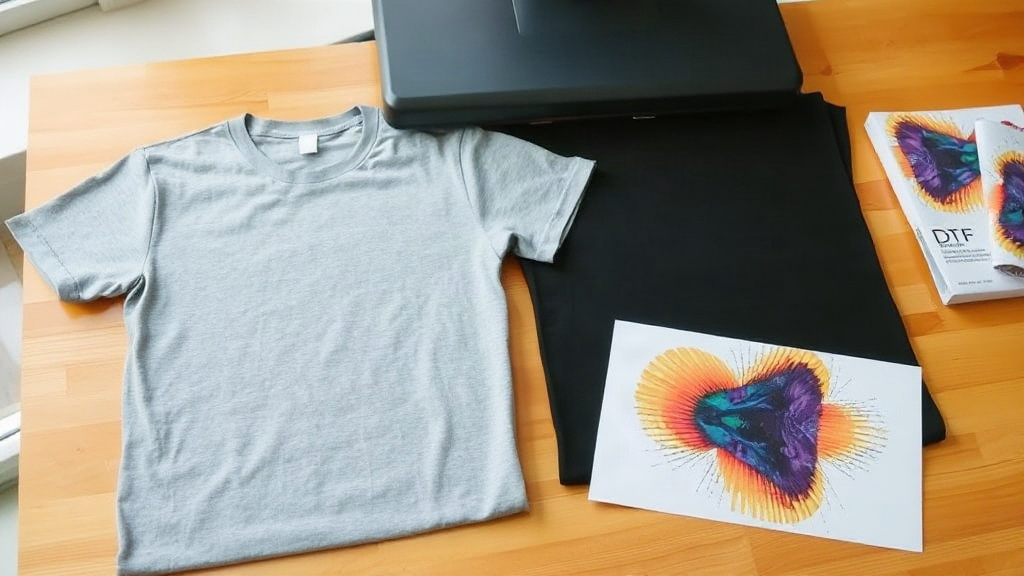
If you have ever pressed a dtf transfers onto a blank only to watch it crack after two washes, you know the blank matters as much as the print itself. Two names keep coming up in custom apparel circles: smart blanks and shaka wear. Both have loyal fans, but they serve different purposes. This guide breaks down how each performs with dtf transfers, so you can pick the right one for your next project.
Why the Blank Choice Matters for DTF Transfers
DTF transfers are versatile, but they are not magic. The adhesive and ink bond to the fabric surface, and that bond depends on fiber content, weave, and finish. A 100% cotton tee with a tight weave gives you a smooth, durable print. A polyester blend might feel softer but can lead to uneven adhesion or a plasticky hand feel if the temperature is off. Add in fabric dyes and softeners, and you have a complex chemistry experiment every time you press.
That is why experienced printers keep a short list of blanks they trust. Smart blanks and shaka wear both appear on that list, but for different reasons. Let us look at what each brings to the table.
Smart Blanks: The Everyday Workhorse
Smart blanks have built a reputation for consistency. Their tees are typically 100% ring-spun cotton, pre-shrunk, and available in a wide range of colors. The fabric weight sits around 4.3 to 5.5 ounces, which hits a sweet spot: substantial enough to hold a print without feeling like cardboard, but light enough for year-round wear.
Fabric and Construction
The cotton is combed and ring-spun, which means fewer stray fibers and a smoother surface. That smoothness is a gift for dtf transfers because the adhesive can make full contact across the design. The seams are double-needle stitched at the sleeves and bottom hem, and shoulder-to-shoulder taping keeps the neckline from stretching out. In my own shop, I have pressed hundreds of transfers onto smart blanks and rarely see the dreaded edge lift that plagues cheaper alternatives.
How Smart Blanks Perform with DTF
Press settings for smart blanks usually fall in the 325°F to 350°F range for 10 to 15 seconds with medium pressure. The cotton takes the adhesive well, and the print stretches with the fabric without cracking. After a dozen wash tests, the colors stay vibrant and the edges remain sealed. One caveat: darker colors may require a slightly longer pre-press to remove moisture, but that is standard for any cotton tee.
Who Should Use Smart Blanks
If you are printing retail-ready apparel, smart blanks offer a reliable canvas at a mid-range price. They are ideal for small businesses, school groups, and anyone who needs a consistent product run after run. The fit is classic unisex, so you do not have to worry about odd sizing complaints.
Shaka Wear: Heavyweight and Streetwear-Ready
Shaka wear takes a different approach. Their blanks are known for heavier weights, often 6.0 to 7.5 ounces, and a boxier, modern fit that appeals to streetwear brands. The fabric is usually 100% cotton as well, but the heavier gauge changes how dtf transfers behave.
Fabric and Construction
The heavier cotton in shaka wear tees provides a structured drape that holds its shape. The necklines are often ribbed with a thicker collar, and side seams are common in their premium models. This construction adds durability, but it also means the fabric surface can be slightly rougher than a ring-spun lightweight tee. That texture is not a dealbreaker, but it does require attention during pressing.
How Shaka Wear Performs with DTF
Because of the weight, shaka wear blanks need a bit more pressure and time to get the adhesive to penetrate the fibers. I typically press at 350°F for 15 to 18 seconds with firm pressure. The result is a print that sits on top of the fabric rather than sinking in, which gives a slightly raised feel. For bold graphics, that is fine. For fine details, you might notice a minor loss of sharpness compared to a smoother blank. However, the durability is excellent; the heavy cotton protects the transfer from abrasion, so it survives many washes.
Who Should Use Shaka Wear
Shaka wear is a strong choice for streetwear, oversized tees, and customers who want a premium, heavyweight feel. If your brand aesthetic leans toward skate, hip-hop, or urban fashion, these blanks align well. Just be prepared to adjust your DTF process to accommodate the thicker fabric.
Head-to-Head Comparison
Let us break down the key differences in a quick reference table.
- Fabric weight: Smart Blanks (4.3–5.5 oz) vs Shaka Wear (6.0–7.5 oz)
- Surface smoothness: Smart Blanks (very smooth) vs Shaka Wear (slightly textured)
- DTF press time: Smart Blanks (10–15 sec) vs Shaka Wear (15–18 sec)
- Hand feel after print: Smart Blanks (soft, integrated) vs Shaka Wear (slightly raised)
- Durability: Both excellent, but Shaka Wear’s heavier fabric may outlast in high-abrasion use
- Price: Smart Blanks (budget-friendly) vs Shaka Wear (premium)
- Best for: Smart Blanks (everyday retail, events) vs Shaka Wear (streetwear, oversized fits)
Neither blank is universally better. The right choice depends on your customer, your design, and your production setup.
Tips for Perfect DTF Transfers on Any Blank
Regardless of which blank you choose, a few best practices will improve your results with dtf transfers.
- Pre-press the garment: This removes moisture and wrinkles. For smart blanks, 5 seconds is enough; for shaka wear, give it 8 to 10 seconds to ensure a dry surface.
- Use consistent pressure: Medium to firm pressure works for most. If you have a heat press with a pressure gauge, aim for 4 to 6 on a 1–10 scale.
- Peel correctly: DTF transfers are usually cold peel. Wait until the transfer is completely cool before peeling the film. Rushing this step can cause edges to lift.
- Post-press for durability: After peeling, cover the print with parchment paper or a Teflon sheet and press again for 5 to 10 seconds. This re-melts the adhesive and seals the edges.
- Wash inside out: Advise your customers to wash inside out in cold water and tumble dry low. This extends the life of any DTF print.
Common Pitfalls to Avoid
Even with quality blanks, mistakes happen. Here are a few issues I see often and how to fix them.
- Adhesive failure: Usually caused by insufficient pressure or a dirty platen. Clean your press and increase pressure slightly.
- Color dulling: Over-pressing can scorch the fabric or dull the inks. Stick to the recommended temperature and time.
- Print cracking: This often happens when the transfer is stretched beyond the fabric’s limit. Choose a design size that fits the garment’s stretch zones.
- Ghosting: If you see a faint outline after peeling, you likely moved the transfer during pressing. Hold it steady.
With a bit of practice, you will develop a feel for each blank and adjust accordingly.
Frequently Asked Questions
Can I use DTF transfers on both Smart Blanks and Shaka Wear?
Yes, both blanks are compatible with DTF transfers. The key is to adjust your press settings: lower temperature and shorter time for lighter smart blanks, and higher temperature with longer time for heavier shaka wear.
Which blank holds up better after repeated washing?
Both hold up well, but shaka wear’s heavier cotton may have a slight edge in abrasion resistance. However, proper washing (inside out, cold water) is more important than the blank itself for longevity.
Do I need different DTF transfer settings for polyester blends?
Yes. Polyester blends require lower temperatures (around 300°F) to avoid dye migration. Neither smart blanks nor shaka wear are primarily polyester, but if you use blends, test first.
Are Smart Blanks more affordable than Shaka Wear?
Generally, yes. smart blanks are positioned as budget-friendly without sacrificing quality, while shaka wear commands a higher price for its heavyweight, premium construction.
Can I mix Smart Blanks and Shaka Wear in the same order?
Absolutely, but be mindful of the fit differences. smart blanks tend to have a classic unisex cut, while shaka wear often runs boxier. Communicate sizing clearly to your customers to avoid returns.
Final Thoughts
Choosing between smart blanks and shaka wear comes down to your brand identity and production needs. If you value smooth, consistent prints on a versatile midweight tee, smart blanks are a safe bet. If you are building a streetwear line with a premium, heavyweight feel, shaka wear delivers that aesthetic. Whichever you choose, mastering your DTF process will ensure your prints look professional and last. For more tips and supplies, visit dtfeasyto.com.