
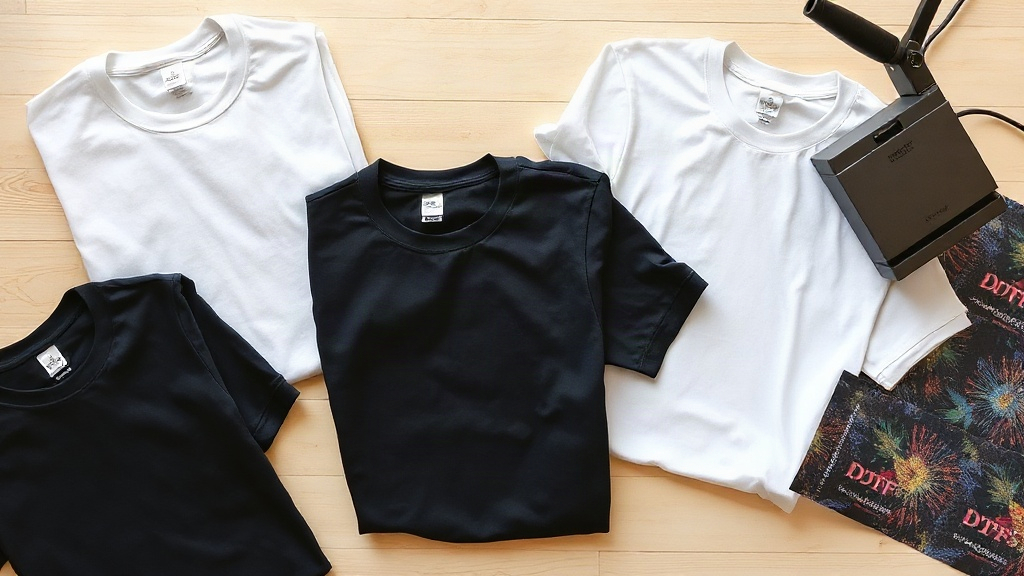
When you're creating custom apparel, the blank you choose is just as important as the design you press onto it. Two names that consistently come up in professional circles are smart blanks and shaka wear. Both offer unique advantages, especially when paired with dtf transfers. In this guide, we'll explore why these blanks stand out and how to get the best results with DTF printing.
Why Smart Blanks Are a Game-Changer for DTF Transfers
Smart blanks are not just any ordinary t-shirts. They are engineered with a focus on fabric consistency, weight, and finish, making them ideal for DTF printing. Unlike standard blanks, smart blanks often feature a tighter weave and smoother surface, which allows the transfer to adhere more evenly. This reduces common issues like cracking or peeling.
Another advantage is their colorfastness. Smart blanks are typically dyed with high-quality pigments that resist fading, even after multiple washes. This is crucial for DTF transfers, as the vibrancy of your design depends on the blank's ability to hold color without bleeding. When you use smart blanks, you're investing in a canvas that enhances the durability and appearance of your transfer.
Key Features of Smart Blanks
- Fabric blend: Often a cotton-polyester mix that balances softness and durability.
- Weight: Typically 4.5 to 5.5 oz, providing a substantial feel without being heavy.
- Smooth surface: Minimizes texture interference, ensuring crisp transfer details.
- Color range: Available in a wide array of shades, from neutrals to bold hues.
Shaka Wear: Heavyweight Quality Meets DTF Versatility
Shaka wear has built a reputation for producing heavyweight apparel that appeals to streetwear brands and custom printers alike. Their garments are known for their boxy fit, durable stitching, and premium cotton. But how do they perform with dtf transfers? Exceptionally well, provided you adjust your application process.
The dense fabric of Shaka Wear tees can absorb more heat, so you'll need to pre-press to remove moisture and ensure a flat surface. Once that's done, DTF transfers bond beautifully, creating a soft-hand feel that customers love. The thickness of Shaka Wear also means less chance of the transfer showing through to the back, which is a common concern with lighter blanks.
Popular Shaka Wear Styles for DTF
- SHMHSS: A heavyweight crewneck that's perfect for bold graphics.
- SHASS: A slightly lighter option with a modern fit.
- SHTHS: A tall tee that offers extra length for oversized designs.
How to Apply DTF Transfers to Smart Blanks and Shaka Wear
Applying dtf transfers to these blanks requires attention to temperature, pressure, and time. While each heat press may vary, here's a general guideline that works well for both smart blanks and Shaka Wear.
- Pre-press: 5-10 seconds at 300°F to remove wrinkles and moisture.
- Position: Place the transfer with the design facing up.
- Press: 15-20 seconds at 325°F with medium-heavy pressure.
- Peel: Wait 10-15 seconds for it to cool slightly, then peel the film in a smooth, even motion.
- Post-press: Cover with parchment paper and press for another 5-10 seconds for added durability.
Always test on a scrap piece first, especially with Shaka Wear's heavier fabrics. Adjust temperature and pressure as needed to avoid scorching or incomplete adhesion.
Design Considerations for DTF on These Blanks
Because smart blanks and shaka wear come in various colors, consider how your design will interact with the background. DTF transfers are opaque, so they work on dark garments, but a white underbase is not required. This means you can achieve vibrant colors without the thick feel of traditional screen printing. For the best results, use high-resolution images and avoid overly fine details that might get lost in the fabric texture.
Another tip: if you're using a very dark Shaka Wear tee, a slight increase in press time can help the transfer fully cure. Conversely, on lighter smart blanks, reduce pressure slightly to prevent the transfer from flattening the fabric's natural texture.
Common Mistakes to Avoid
Even with premium blanks, mistakes can happen. Here are a few to watch out for:
- Insufficient pre-pressing: Moisture trapped in the fabric can cause the transfer to peel.
- Uneven pressure: Leads to partial adhesion and early washout.
- Overheating: Can scorch the fabric or cause the transfer to discolor.
- Peeling too soon: Always let the transfer cool before peeling for a clean edge.
Frequently Asked Questions
Can I use DTF transfers on 100% cotton Shaka Wear tees?
Absolutely. DTF transfers adhere well to cotton, but pre-pressing is essential to remove moisture. For best results, use a heat press rather than an iron.
Do smart blanks require a special pretreatment for DTF?
No special pretreatment is needed. However, ensuring the fabric is clean and dry before pressing will improve adhesion and longevity.
How do I wash DTF-printed apparel to maintain the design?
Turn the garment inside out and wash in cold water. Avoid fabric softeners and tumble dry on low. This will keep the transfer looking new for years.
What's the difference between smart blanks and Shaka Wear for DTF printing?
Smart blanks focus on a smooth, consistent surface ideal for intricate designs, while Shaka Wear offers heavyweight durability and a streetwear aesthetic. Your choice depends on the desired look and feel.
Can I layer DTF transfers on these blanks?
Yes, you can layer multiple transfers, but press each layer separately. Use a cover sheet to protect the design during subsequent presses.
By choosing the right blank and mastering your DTF technique, you can create custom apparel that stands out. Whether you go with smart blanks or shaka wear, the combination with dtf transfers opens up endless possibilities for creativity and quality.