
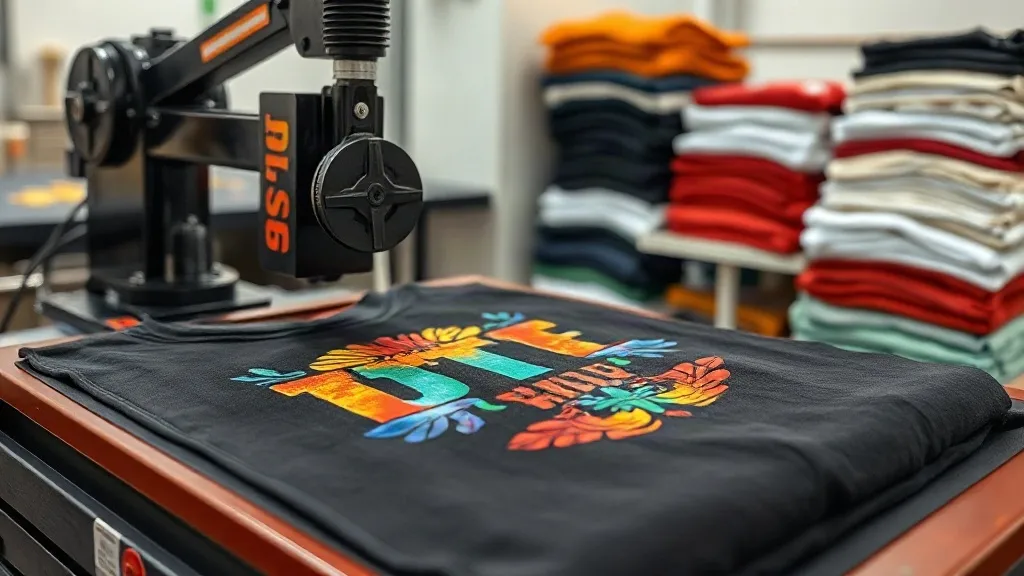
Custom apparel has never been more accessible, thanks to dtf printing technology. Whether you're a small business owner, a hobbyist, or a professional decorator, understanding dtf transfers can revolutionize the way you create and sell custom garments. In this guide, we'll dive deep into what DTF transfers are, how they work, and why they might be the perfect solution for your next project.
What Are DTF Transfers?
DTF stands for Direct-to-Film. It's a printing method where your design is printed onto a special film, coated with a powder adhesive, and then heat-pressed onto fabric. Unlike DTG (Direct-to-Garment) or screen printing, DTF transfers don't require pretreating the garment or using specialized inks for different fabrics. This makes them incredibly versatile and cost-effective.
The process involves printing a design onto a PET film using water-based inks, sprinkling a hot-melt adhesive powder over the wet ink, and then curing the powder. The result is a transfer that can be stored and applied later. When you're ready, you simply place the transfer on your garment and press it with a heat press.
Why Choose DTF Transfers?
There are several compelling reasons why DTF transfers have gained immense popularity in the custom apparel industry. Let's explore the key benefits:
- Vibrant colors and fine details: DTF transfers can reproduce complex designs with gradients, shadows, and photorealistic images. The colors are bright and opaque, even on dark fabrics.
- No fabric restrictions: You can apply DTF transfers to cotton, polyester, blends, and even nylon or leather. There's no need for different inks or pretreatments.
- Durability: When applied correctly, DTF transfers withstand repeated washing without cracking, peeling, or fading.
- Cost-effective for short runs: Unlike screen printing, which requires setup fees for each color, DTF transfers are economical for small batches and one-off designs.
- Easy to use: With a heat press, you can achieve professional results in minutes. No specialized training is required.
The DTF Transfer Process Step by Step
1. Design Preparation
Start with a high-resolution image. DTF printing can handle intricate details, but a clean, high-quality file ensures the best output. Make sure your design is mirrored if you're using a transfer that requires it (though most DTF transfers are applied face-up).
2. Printing
The design is printed onto a special film using a DTF printer. These printers use CMYK plus white ink to create a base for the colors. The white ink layer is crucial for opacity on dark garments.
3. Powder Application
While the ink is still wet, a hot-melt adhesive powder is applied evenly over the design. The powder sticks to the ink and is then shaken off to remove excess.
4. Curing
The film with the powder is then heated to melt the adhesive. This can be done in an oven or with a heat press. Proper curing ensures the transfer will adhere well and last long.
5. Transfer Application
Once cured, the transfer is ready to be applied. You place it on the garment, cover it with a protective sheet, and press it at the recommended temperature and pressure. After cooling, you peel off the film, leaving the design behind.
DTF vs. Other Printing Methods
How does DTF stack up against other popular decoration methods? Here's a quick comparison:
- DTF vs. DTG: DTG requires pretreating and works best on 100% cotton. DTF works on almost any fabric and often produces more vibrant colors.
- DTF vs. Screen Printing: Screen printing is cost-effective for large orders but expensive for small runs. DTF has no setup costs and is ideal for short runs.
- DTF vs. Vinyl: Vinyl is limited to simple designs and can feel heavy. DTF allows complex, multi-color designs with a softer feel.
Tips for Perfect DTF Transfers
To get the best results with your DTF transfers, keep these tips in mind:
- Use the right temperature and pressure: Each transfer comes with recommended settings. Always follow them.
- Pre-press your garment: This removes moisture and wrinkles, ensuring a smooth application.
- Peel correctly: Most DTF transfers are cold peel, meaning you wait for them to cool before removing the film. Check the instructions.
- Store transfers properly: Keep them in a cool, dry place away from direct sunlight to prevent premature curing.
- Test on a sample: Before applying to a final garment, test on a similar fabric to ensure compatibility.
Common Applications of DTF Transfers
DTF transfers are used for a wide range of items, including:
- T-shirts, hoodies, and sweatshirts
- Tote bags and backpacks
- Denim jackets and jeans
- Sports jerseys and uniforms
- Promotional items and corporate giveaways
The versatility of DTF transfers makes them a favorite among crafters and businesses alike.
Frequently Asked Questions About DTF Transfers
What fabrics can DTF transfers be applied to?
DTF transfers can be applied to a wide range of fabrics, including cotton, polyester, cotton-poly blends, nylon, leather, and even some synthetic materials. They are especially popular for dark garments because of the white ink base.
How long do DTF transfers last?
When applied correctly and cared for properly, DTF transfers can last as long as the garment itself. They are resistant to cracking, peeling, and fading. To extend their life, wash the garment inside out in cold water and avoid harsh detergents.
Do I need a special printer for DTF transfers?
Yes, DTF printing requires a DTF printer that uses water-based inks and white ink. However, if you don't want to invest in a printer, you can purchase pre-printed DTF transfers from suppliers and apply them with a heat press.
Can I use a home iron to apply DTF transfers?
While it's possible to use a home iron, it's not recommended because achieving consistent temperature and pressure is difficult. A heat press is strongly advised for professional and durable results.
Are DTF transfers safe for children's clothing?
Yes, DTF transfers are safe for children's clothing as long as the inks and adhesives used are non-toxic and comply with safety regulations. Always check with your supplier for certifications.
Conclusion
DTF transfers offer a powerful combination of versatility, durability, and vibrant color that makes them an excellent choice for custom apparel. Whether you're printing a single shirt or a small batch, DTF technology delivers professional results without the complexity of other methods. By following the tips and guidelines in this guide, you'll be well on your way to creating stunning custom garments that your customers will love.