
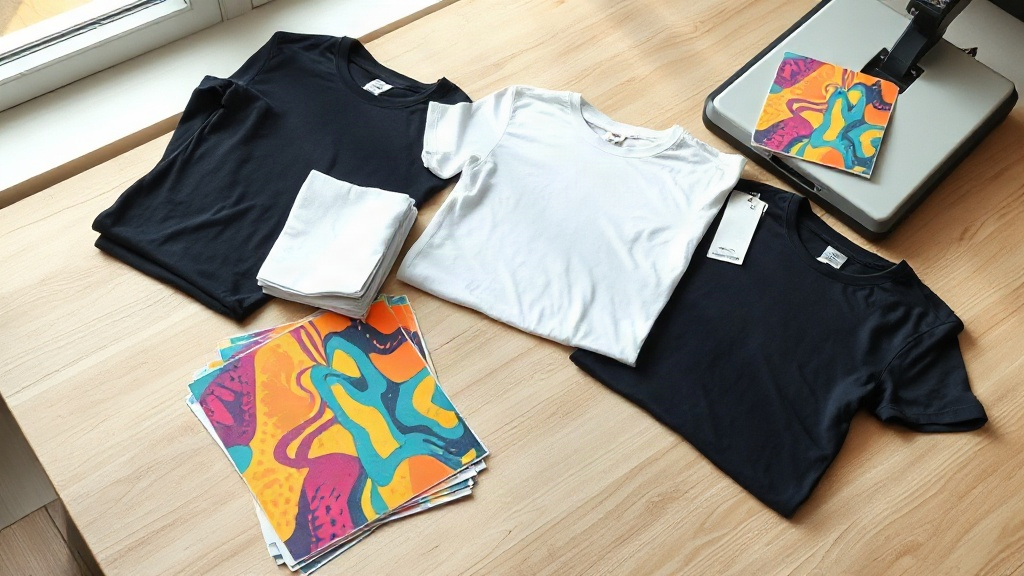
When you first dive into DTF printing, the excitement of creating custom apparel quickly meets a hard truth: the blank you choose can make or break your final product. I learned this the hard way after ruining a dozen shirts because I ignored fabric composition. But once I discovered smart blanks and Shaka Wear tees, everything changed. These blanks aren't just popular for their quality; they're engineered to work beautifully with DTF transfers, giving you vibrant, long-lasting prints that customers rave about. In this guide, I'll share everything I wish I knew starting out, from selecting the right blank to troubleshooting common issues, so you can skip the trial and error and produce professional-grade apparel from day one.
Why Smart Blanks Are a Game-Changer for DTF Transfers
Smart blanks are not a specific brand but a category of apparel designed with printing in mind. They typically feature a high cotton content, tight weave, and minimal treatment, which allows DTF adhesives to bond effectively. Unlike cheap blanks that feel rough or have inconsistent surfaces, smart blanks offer a smooth canvas that makes your transfers pop. I remember printing a detailed galaxy design on a smart blank from a wholesale supplier; the colors were so vivid that a customer asked if it was screen-printed. That's the power of a good blank.
But what exactly makes a blank "smart"? It comes down to three factors: fabric type, weight, and finish. Most smart blanks are 100% cotton or a cotton-poly blend with at least 50% cotton. The cotton fibers create a porous surface that the DTF adhesive can grip, while the polyester helps the fabric hold its shape. Weight matters too: a 5.5 oz or heavier fabric provides a stable base, preventing the transfer from stretching or cracking. Finally, a smooth, ring-spun finish ensures even pressure during application. When you pair these qualities with DTF transfers, you get a match made in heaven.
Top Smart Blank Recommendations for DTF Printing
Not all smart blanks are created equal. After testing dozens, here are my go-to picks:
- Bella+Canvas 3001: A 100% combed ring-spun cotton tee that's incredibly soft. The tight knit means fine details in your transfer won't get lost.
- Next Level 6210: A poly-cotton blend that's lightweight yet durable. Ideal for performance wear where breathability is key.
- Gildan 64000: A budget-friendly option that still delivers consistent results. The 100% cotton surface is perfect for bold, colorful designs.
Each of these blanks has a dedicated following among DTF printers, and for good reason. They provide the reliability you need for repeat orders.
Shaka Wear: The Heavyweight Champion for DTF
If you're looking for a blank that feels premium and handles DTF like a champ, Shaka Wear should be on your radar. Known for their heavyweight cotton tees, Shaka Wear garments are a staple in streetwear and urban fashion. Their 7.5 oz max-heavyweight tee is a beast: thick, durable, and with a smooth surface that takes transfers exceptionally well. I've printed oversized graphics on Shaka Wear tees, and the results are stunning. The fabric doesn't pucker, and the colors stay bright even after multiple washes.
What sets Shaka Wear apart is their attention to detail. The cotton is combed and ring-spun, which reduces stray fibers that can interfere with adhesion. The shirts are also pre-shrunk, so you won't deal with unexpected shrinkage after printing. Plus, their consistent sizing makes it easy to offer a range of styles without worrying about fit issues. For DTF printers, this consistency is gold. You can dial in your press settings once and apply them across all Shaka Wear garments, saving time and reducing waste.
How Shaka Wear Compares to Other Heavyweight Blanks
Shaka Wear isn't the only heavyweight option, but it often comes out on top. Compared to brands like Pro Club or Rothco, Shaka Wear offers a softer hand feel while maintaining that structured look. The fabric is also more forgiving when you're applying DTF transfers; it doesn't require as much pressure to get a good bond. I've found that Shaka Wear tees need about 10-15 seconds less press time than some competitors, which speeds up production. However, because they're heavier, they do require a bit more heat to fully cure the adhesive. I recommend using a heat press at 325°F for 15 seconds with medium-firm pressure, then a second press for 5 seconds after peeling. This ensures a wash-resistant bond.
Choosing the Right DTF Transfer for Your Blank
Not all DTF transfers are created equal, and the blank you choose should influence the transfer you use. For light-colored smart blanks, you can use standard DTF transfers with a white base. For dark or brightly colored blanks, you'll need transfers with a higher opacity white layer to prevent the shirt color from showing through. Shaka Wear tees often come in deep colors like black, navy, and maroon, so make sure your transfer is designed for dark fabrics. Also consider the size and complexity of your design: fine lines and small text require a high-resolution transfer, while bold graphics can tolerate slightly lower DPI.
Another factor is the transfer's adhesive. Some DTF transfers use a hot-peel adhesive, while others are cold-peel. Hot-peel transfers are more forgiving on textured fabrics, but cold-peel transfers give a smoother finish on tight knits. For smart blanks with a smooth surface, cold-peel works beautifully. For Shaka Wear's heavier cotton, hot-peel might be easier to work with. Always test a sample before running a full batch.
Step-by-Step: Applying DTF Transfers to Smart Blanks and Shaka Wear
Here's my tried-and-true process for flawless application:
- Pre-press the garment: This removes moisture and wrinkles. For smart blanks, press for 5 seconds at 325°F. For Shaka Wear, press for 7-10 seconds to ensure a flat surface.
- Position the transfer: Place it where you want it, adhesive side down. Use heat tape if needed to keep it in place.
- Press: Set your heat press to 325°F with medium-firm pressure. Press for 15 seconds for smart blanks, 20 seconds for Shaka Wear due to its thickness.
- Peel: Wait 10-15 seconds for cold-peel, or peel immediately for hot-peel. Check the transfer's instructions.
- Post-press: Cover with parchment paper and press for another 5-10 seconds to smooth the finish and improve washability.
Following these steps, I've achieved prints that survive 50+ washes without fading or cracking. The key is consistency and not skipping the pre-press or post-press steps.
Common Mistakes to Avoid with DTF on These Blanks
Even with great blanks, mistakes happen. Here are the most common pitfalls I've encountered and how to avoid them:
- Using too much pressure: This can cause the adhesive to spread too thin, leading to poor adhesion. Use medium-firm pressure, not maximum.
- Under-pressing: Especially on Shaka Wear's heavy fabric, insufficient heat or time means the adhesive won't fully melt. Always follow the transfer's recommended settings and adjust for fabric weight.
- Ignoring fabric softeners: Some smart blanks come with a silicone finish that repels adhesive. Wash the garment once before printing to remove any coatings.
- Skipping the post-press: This step is crucial for durability. Don't skip it.
By avoiding these, you'll save time and money, and your customers will be happier.
Frequently Asked Questions
Can I use DTF transfers on 100% polyester Shaka Wear shirts?
Yes, but you need to adjust your settings. Polyester requires lower temperatures (around 280°F) to prevent scorching, and you should use light pressure. Also, choose a DTF transfer designed for synthetic fabrics to ensure good adhesion.
What's the best way to store DTF transfers before use?
Keep them in a cool, dry place away from direct sunlight. Humidity can affect the adhesive, so store them in a sealed bag with silica gel packets if you live in a humid climate. Use them within six months for best results.
How do I prevent the transfer from peeling after washing?
Ensure you post-press after application and wait 24 hours before washing. Wash the garment inside out in cold water and tumble dry low. Avoid fabric softener and bleach, which can degrade the adhesive.
Are smart blanks more expensive than regular blanks?
Not necessarily. Smart blanks are a category defined by printability, not price. Many affordable options exist, like Gildan or Bella+Canvas, that perform well. The key is to test a few and find the best value for your needs.
Can I layer DTF transfers on Shaka Wear tees?
Yes, layering is possible. Press the first transfer, then apply the second on top, pressing for 10-15 seconds. Use a cover sheet to protect the design. Just be mindful of thickness; too many layers can feel stiff.