
DTF transfers have revolutionized the custom printing industry. Whether you're a seasoned printer or a hobbyist looking to start your own apparel business, understanding this technology is crucial. In this comprehensive guide, we'll walk you through the essentials, from the printing process to practical tips that save time and money. By the end, you'll have a clear roadmap to producing vibrant, durable prints right from home.
What Are DTF Transfers?
DTF stands for Direct to Film. Unlike traditional screen printing or DTG (Direct to Garment), DTF transfers involve printing your design onto a special PET film, applying adhesive powder, and then heat-pressing it onto the fabric. The result is a soft, stretchable, and highly detailed transfer that works on cotton, polyester, blends, and even hard surfaces like mugs and hats.
How Does the DTF Process Work?
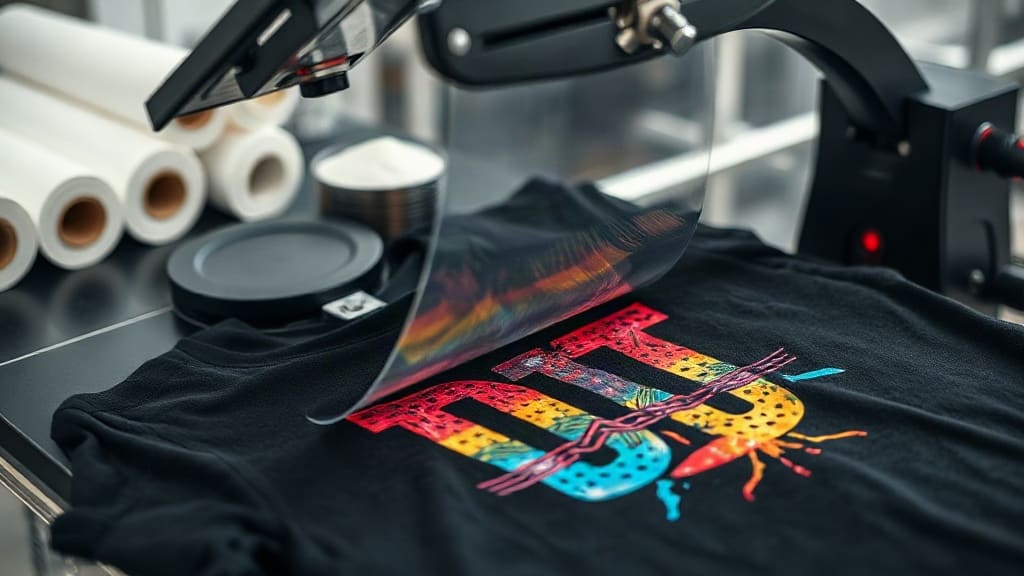
First, you print your artwork on a PET film using a DTF printer equipped with pigment inks. Next, while the ink is still wet, you apply a hot-melt adhesive powder, which sticks only to the printed areas. After shaking off the excess, you cure the film in a heat tunnel or with a heat press. Finally, you pre-press your garment to remove wrinkles, place the film on top, and press it for 15-60 seconds at around 300°F. Once cool, you peel the film and your transfer is complete.
Why Choose DTF Transfers?
There are several reasons why DTF transfers are gaining popularity over other methods. Here are the key advantages:
- Versatility: Use them on a wide range of fabrics, including dark colors, without needing a white underbase each time.
- Durability: The adhesive bonds well, making the prints withstand repeated washing without cracking.
- Softness: The transfer layer is thin, leaving a soft hand feel compared to screen printing.
- Detail: High-resolution prints capture fine lines and vibrant colors with excellent gradients.
- Low Startup Cost: Compared to DTG printers, a DTF setup can be more affordable, especially if you outsource the transfer production.
Essential Equipment and Materials
To get started with DTF, you'll need the following items:
- A DTF printer (or access to a service that prints transfers for you)
- PET film (transparent or matte)
- DTF adhesive powder
- Heat press or heat tunnel
- Scraper and powder shaker
If you're not ready to invest heavily, many companies offer custom DTF transfers that you can order and press yourself. This is an excellent way to test the waters without upfront costs.
Step-by-Step Guide to Using DTF Transfers
Once you have your transfers, application is straightforward. Follow these steps for perfect results every time.
Step 1: Prepare Your Garment
Lay your garment on a flat surface. Pre-press it for 3-5 seconds with your heat press to remove moisture and wrinkles. This ensures a clean, smooth application.
Step 2: Position the Transfer
Place the film with the printed side facing down on the garment. Make sure it's centered and aligned as desired. Use heat-resistant tape to hold it in place if needed.
Step 3: Press and Peel
Set your heat press to about 300°F (150°C) with medium pressure. Press for 15-20 seconds. Then, carefully peel the film while it's still hot (hot peel) or wait a few seconds for a cold peel, depending on the transfer type. Most DTF transfers are hot peel, but check the instructions.
Step 4: Post-Press (Optional)
After peeling, you can cover the print with a silicone sheet or parchment paper and press again for 5-10 seconds. This helps cure the adhesive further and enhances durability.
Common Mistakes to Avoid
Even experienced printers make errors. Here are some pitfalls to steer clear of:
- Too much pressure: Excessive pressure can cause ink to spread or the adhesive to bleed, ruining the design.
- Wrong temperature: If it's too low, the adhesive won't activate; too high, it can scorch the fabric.
- Peeling too early: Always follow the recommended peel time to avoid lifting the design.
- Overlooking pre-press: Skipping pre-press can lead to poor adhesion and wrinkling.
DTF vs. Other Printing Methods
Choosing the right method depends on your needs. Here's a quick comparison:
- Screen Printing: Ideal for large orders, but setup is expensive and colors are limited. DTF is better for short runs and detailed designs.
- DTG: Great for single items but slower and costlier for bulk. DTF offers faster production for multiple pieces.
- Vinyl: Simple but limited in color gradients and durability. DTF prints are more vibrant and flexible.
Cost Analysis and Profitability
One of the biggest advantages of DTF transfers is the low cost per unit, especially when you produce in batches. For instance, a typical A3 sheet can yield several transfers, and the cost of film, ink, and powder is a fraction of what a finished transfer would cost if ordered. If you're selling custom T-shirts at $25 each, your profit margin can be over 70% once you factor in the garment cost and your time.
Frequently Asked Questions
Can DTF transfers be used on dark fabrics?
Absolutely. DTF transfers do not require a white underbase. The adhesive powder itself provides a white layer that makes the design pop on dark colors, so you can print on black, navy, or any other dark shade without extra steps.
How many washes do DTF prints survive?
With proper application and curing, DTF transfers can last for 50+ washes without fading or cracking. Always wash garments inside out in cold water and dry on a low setting to extend the life of the print.
What is the difference between hot and cold peel?
Hot peel means you remove the film immediately after pressing while the transfer is still warm. Cold peel requires waiting until it cools completely. Hot peel is faster for production, but cold peel can give slightly sharper edges. Most modern transfers handle both, but follow the manufacturer's recommendation.
Do I need a special printer for DTF?
Yes, you need a printer that uses pigment inks and can handle PET film. You can convert some Epson or Ricoh models, but it's easier to buy a dedicated DTF printer. Alternatively, you can order transfers from a service that does the printing for you.
Can I use DTF transfers on materials other than cotton?
Yes, DTF works on polyester, nylon, leather, and even rigid surfaces like ceramics and wood. Just ensure the surface can withstand the heat and pressure. For hard items, use a lower temperature and shorter press time.
Conclusion
DTF transfers offer an incredible opportunity for customization. Whether you're looking to start a side hustle or scale your existing printing business, this method provides high quality and versatility at a competitive price. With the knowledge from this guide, you're ready to produce stunning apparel that your customers will love. Remember to practice, experiment, and refine your technique to achieve the best results. Happy printing!