
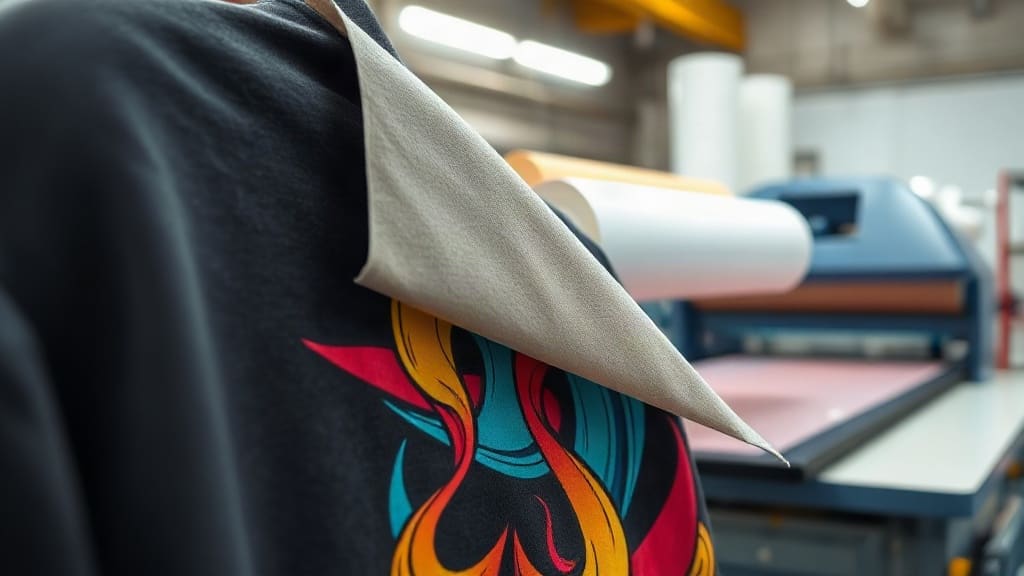
DTF transfers have taken the custom apparel industry by storm, offering a versatile and cost-effective way to create vibrant, durable designs on a wide range of fabrics. Whether you're a seasoned pro or just starting, understanding this technology can open new doors for your business. In this guide, we'll dive deep into what DTF transfers are, how they work, and why they might be the perfect solution for your next project.
What Are DTF Transfers?
DTF stands for Direct to Film. It's a printing method where designs are printed onto a special PET film, covered with adhesive powder, and then heat-pressed onto fabric. Unlike traditional screen printing or heat transfer vinyl, DTF transfers allow for high-detail, full-color prints with a soft hand feel. The process doesn't require weeding, making it incredibly efficient for intricate designs.
One of the biggest advantages of DTF is its versatility. You can apply a DTF transfer to cotton, polyester, blends, and even materials like denim or canvas. This flexibility makes it a favorite among custom apparel businesses, from small startups to large production houses.
How Do DTF Transfers Work?
The process might sound technical, but it's surprisingly straightforward. Here's a step-by-step breakdown:
- Printing: The design is printed in reverse onto a PET film using a specialized DTF printer and CMYK + white ink.
- Powder Application: While the ink is still wet, a hot-melt adhesive powder is applied to the film. This powder sticks to the white ink and, when heated, becomes the adhesive that bonds the design to the fabric.
- Curing: The film is passed through a dryer or heat source to melt the powder and cure the ink.
- Transfer: The film is placed on the garment, and a heat press applies pressure and heat for a specific time and temperature, typically around 320°F (160°C) for 15-20 seconds.
- Peeling: Once cool, the film is peeled away, leaving the vibrant design behind.
This process is similar to DTG (direct to garment) but without the need for pre-treatment, making it faster and more flexible.
Why Choose DTF Transfers?
There are several reasons why DTF has become so popular:
- Versatility: Works on a wide range of fabrics, including those that are challenging for other methods.
- Durability: The adhesive creates a strong bond that withstands washing and wear, provided you use quality materials and proper application.
- Detail: High-resolution prints capture fine details and vibrant colors, perfect for complex logos or photos.
- No Weeding: Unlike vinyl, there's no meticulous weeding required, saving time and labor.
- Cost-Effective: For short runs or one-off items, DTF is more economical than screen printing, which has high setup costs.
If you're looking to expand your product range, DTF transfers offer an accessible entry point.
DTF vs. Other Methods
Understanding how DTF compares to other popular methods can help you make informed decisions. Here's a quick breakdown:
DTF vs. DTG
DTG prides itself on direct printing onto garments with a soft hand feel, ideal for cotton. However, DTG requires pre-treatment for polyester and can be slower for bulk orders. DTF transfers, on the other hand, can be printed in advance and pressed on demand, making them more flexible for order fulfillment.
DTF vs. Screen Printing
Screen printing excels at bulk orders with high color opacity, but it struggles with gradients and fine details. DTF offers full-color prints without the complexity of multiple screens, making it perfect for smaller runs or personalized items.
DTF vs. Heat Transfer Vinyl (HTV)
HTV is limited to solid colors and requires weeding, making it tedious for intricate designs. DTF eliminates weeding and can reproduce any digital design with ease, including photographic images.
Applications of DTF Transfers
The possibilities are endless. Here are some common uses:
- Custom Apparel: T-shirts, hoodies, sweatshirts, and athletic wear.
- Workwear: Uniforms, safety vests, and corporate apparel with logos.
- Personalized Gifts: Tote bags, caps, or even custom mousepads.
- Sports Teams: Jerseys, practice gear, and fan merchandise.
- Small Business Merch: Create your own branded products to sell online.
Tips for Perfect DTF Transfers
To ensure your transfers come out flawlessly, keep these tips in mind:
- Use High-Quality Films: Cheap films can warp or transfer poorly. Invest in reputable brands.
- Proper Ink Handling: Shake white ink cartridges regularly to prevent pigmentation settling.
- Powder Evenly: Apply adhesive powder evenly to avoid patchy or weak adhesion.
- Calibrate Your Heat Press: Use a reliable thermometer to ensure accurate temperature. Too hot or too cold can ruin the transfer.
- Test on Scrap Fabric: Before pressing your final product, test on a scrap piece to fine-tune time and temperature.
- Cool Before Peeling: Always allow the transfer to cool before peeling to prevent ink lift-off.
Frequently Asked Questions
Can DTF transfers be used on dark fabrics?
Absolutely. One of the key advantages of DTF is the white ink base that ensures colors appear vibrant on dark fabrics. The white layer acts as an underbase, allowing the CMYK inks to show their true colors.
How many washes can a DTF transfer withstand?
With proper application, a DTF transfer can last for many washes, typically 50 or more. To maximize longevity, wash garments inside out in cold water and avoid using bleach. Tumble drying on low heat is also recommended.
What is the best fabric for DTF transfers?
DTF works best on cotton and cotton polyester blends. These fabrics provide a smooth surface for the adhesive to bond. However, you can also use it on 100% polyester, but you may need to adjust the temperature and pressure to avoid scorching.
Do I need a special printer for DTF transfers?
Yes, you need a printer that can handle white ink and PET film. Many users convert Epson or other inkjet printers with a DTF conversion kit. Alternatively, you can purchase a dedicated DTF printer from manufacturers like Riicol or L1800.
Can I sell items made with DTF transfers?
Yes, you can. As long as you create your own designs or have the rights to use them, you can sell the finished products. DTF is a popular choice for small businesses and print-on-demand services.
Conclusion
DTF transfers offer an exciting opportunity for anyone in the custom apparel space. Their versatility, durability, and ease of use make them a smart investment. Whether you're looking to start a side hustle or streamline your production process, mastering DTF can elevate your offerings. So, why not give it a try? With the right equipment and a bit of practice, you'll be producing stunning transfers in no time.