
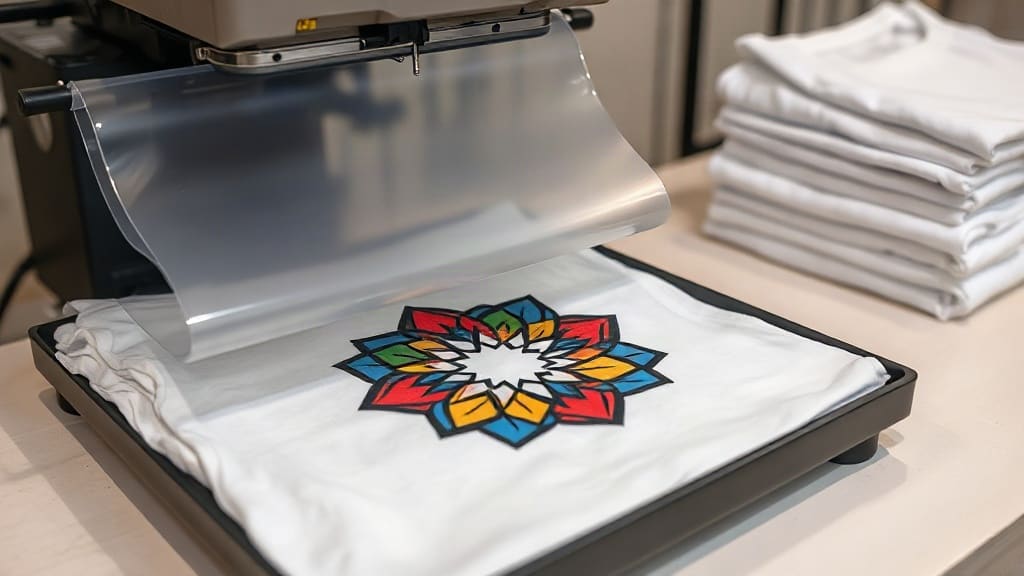
If you're in the custom apparel world, you've likely heard about DTF transfers. They've taken the printing industry by storm, offering a versatile and cost-effective way to create vibrant designs on various fabrics. Whether you're a seasoned printer or just starting, understanding this technology can open new doors for your business. In this guide, we'll dive deep into what DTF transfers are, how they work, their advantages, and how to use them effectively.
What Are DTF Transfers?
DTF stands for Direct to Film. It's a printing method where a design is printed onto a special film, then transferred to fabric using a heat press. Unlike traditional screen printing or heat transfer vinyl, DTF allows for high-detail, full-color prints without the need for weeding or complex setups. The process involves printing with specialized CMYK inks and white ink as a base, then applying adhesive powder to the film. Once the powder is melted, the transfer is ready to be pressed onto your garment.
How Does DTF Printing Work?
The DTF process begins with a digital design. You print it in reverse onto a PET film using a DTF printer. The printer uses pigment inks, including white, to create a base layer that ensures vibrant colors even on dark fabrics. After printing, a hot-melt adhesive powder is applied to the wet ink. The film is then heated to cure the powder, making it tacky. Finally, you place the film on your fabric and apply heat and pressure with a heat press. The result is a durable, stretchable print that feels soft to the touch.
Benefits of DTF Transfers
One of the biggest draws of DTF transfers is their versatility. You can apply them to cotton, polyester, blends, and even tricky materials like nylon or leather. Unlike vinyl, there's no weeding required, which saves time and labor. The prints are also durable, withstanding numerous washes without cracking or fading. For small business owners, DTF is cost-effective because you don't need screens or large minimum orders. You can produce single custom items or bulk orders with the same ease.
DTF Transfers vs. Other Printing Methods
When comparing DTF transfers to other methods like screen printing or DTG (Direct to Garment), there are notable differences. Screen printing is excellent for large runs but has high setup costs and limitations on color gradients. DTG prints directly onto the shirt, but it's slower and less suited for polyester. DTF, on the other hand, offers the best of both worlds: full-color, detailed prints with no minimum order. Plus, you can print on films in advance and store them, making production faster.
How to Apply DTF Transfers
Applying DTF transfers is straightforward. Here's a step-by-step guide:
- Pre-press your fabric for a few seconds to remove moisture and wrinkles.
- Place the transfer on the garment with the film side up.
- Use a heat press set to about 320°F (160°C) with medium pressure.
- Press for 10-15 seconds, depending on the transfer and fabric.
- Peel the film while it's still hot (hot peel) or after cooling (cold peel), depending on the manufacturer's instructions.
- Press again with a silicone sheet or parchment paper for a few seconds to ensure full adhesion.
Remember, every transfer is different, so always test on a sample first.
Tips for Getting the Best Results
To ensure your DTF transfers look professional and last long, follow these tips:
- Use quality films and inks: Cheap materials can lead to cracking or peeling.
- Adjust your heat press settings: Too much heat can scorch the fabric; too little won't activate the adhesive.
- Apply even pressure: Ensure the platen is flat and the pressure is consistent.
- Choose the right fabric: DTF works best on cotton or cotton blends, but with proper care, it can work on synthetics too.
- Let the print cool before handling to avoid smudging.
Common Mistakes to Avoid
Even experienced printers make errors. Here are common pitfalls:
- Not pre-pressing: Skipping this step can trap moisture and cause poor adhesion.
- Peeling too early: If you peel while the adhesive is still hot, you might pull some of the design off.
- Using low-quality transfers: Inexpensive transfers might have thin ink layers that fade quickly.
- Overlooking the cure time: If you're using a conveyor dryer for bulk production, ensure the ink is fully cured.
DTF Transfers for Your Business
If you're thinking about adding DTF to your business, it's a smart move. The demand for custom apparel is high, and DTF transfers allow you to offer a wide range of products without a huge investment. You can start with a small setup, like a DTF printer and a heat press, and expand as you grow. Many businesses also use DTF to create transfers to sell, or to print on demand for clients. The flexibility is unmatched.
Frequently Asked Questions
Can DTF transfers be used on dark-colored shirts?
Yes, absolutely. The white ink base in DTF printing ensures that your design appears vibrant and opaque even on black or other dark fabrics. This is one of the key advantages over other methods like sublimation, which only works on light colors.
How many washes do DTF transfers last?
With proper application and care, DTF transfers can last for over 50 washes without significant fading or cracking. To extend the life, wash garments inside out in cold water and avoid using bleach or fabric softeners.
Do I need a special printer for DTF transfers?
Yes, DTF printing requires a printer that can handle pigment inks and white ink. Many people convert Epson eco-tank printers or use dedicated DTF printers. The key is having a printer that can print white ink, which is thicker than standard CMYK inks.
Can I use DTF transfers on polyester?
Yes, but with some considerations. DTF works on polyester, but the results might not be as durable as on cotton. For best results, use a lower heat setting and press for less time to avoid melting the synthetic fibers. Some printers also use a special additive to improve adhesion on synthetics.
Are DTF transfers cost-effective for small orders?
Definitely. Unlike screen printing, there are no setup fees or minimum quantities. You can print a single transfer for a one-off order and still make a profit. This makes DTF ideal for personalized gifts, small batches, or testing new designs.