
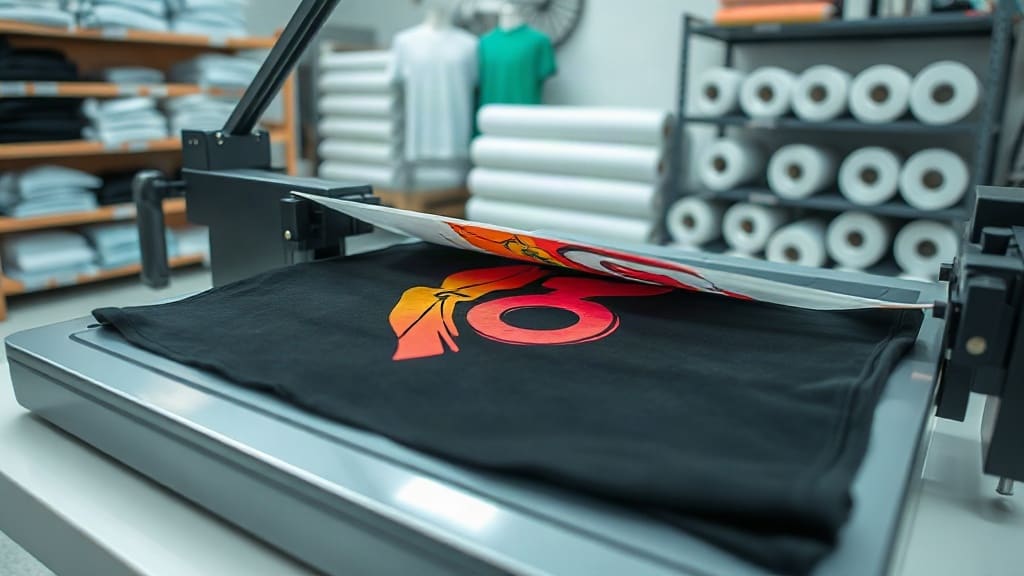
If you're in the custom apparel or signage business, you've likely heard about DTF (Direct to Film) printing. It's become a game-changer for producing vibrant, durable prints on various fabrics. But when you need prints quickly or want to test small batches, finding DTF transfers near me is often the first thought. In this guide, I'll share my experience and insights on how to locate quality local suppliers, what to check before ordering, and how to make your DTF projects successful.
Why DTF Transfers Are So Popular
Before we dive into finding suppliers, let's quickly recap why DTF transfers have taken the printing world by storm. Unlike traditional screen printing, DTF doesn't require screens or complicated setup. It works by printing a design onto a special film, applying adhesive powder, and then heat-pressing it onto the fabric. The result is a print that's soft, stretchy, and can be applied to cotton, polyester, blends, and even leather.
One of the biggest advantages is the ability to print full-color designs with no color separation. Plus, you can print on demand, which means no inventory. For small businesses, this is a lifesaver. I remember when I first started using DTF, I was amazed at how quickly I could turn around an order with intricate details and gradients.
How to Find DTF Transfers Near Me
When you type "DTF transfers near me" into a search engine, you'll get a list of local print shops and online services. But not all are created equal. Here’s a step-by-step approach to finding the right one for your needs.
Start with a Search and Ask Around
Begin with a simple Google search for "DTF transfers near me". Look at the results and note the businesses that appear. But don't just rely on search results. Ask in local business groups on social media, or check with other small business owners in your area. Word-of-mouth recommendations are invaluable. I once found a fantastic local supplier through a local Facebook group for crafters.
Evaluate Their Online Presence
Once you have a few candidates, check their websites and social media. Look for examples of their work, customer reviews, and any information about their equipment and processes. A professional supplier will often showcase their capabilities and quality. If they have an online store, that's even better because you can see their pricing and turnaround times.
Check Reviews and Testimonials
Read reviews on Google, Yelp, or their Facebook page. Pay attention to what customers say about print quality, color accuracy, and durability. But keep in mind that a few negative reviews are normal; look for patterns. If many people mention peeling or fading, that's a red flag.
Ask for Samples
Before placing a large order, request a sample. Most reputable suppliers will send you a small sample or sell you a test print. This is crucial because you can physically check the print quality, feel the texture, and even do a wash test. I always recommend this step to avoid disappointment later.
What to Look for in a Quality DTF Transfer Supplier
Not all DTF transfers are the same. The quality can vary significantly, affecting your final product and customer satisfaction. Here are the key factors to consider when evaluating a local supplier.
Print Quality and Resolution
Examine the print resolution. High-quality DTF prints should have crisp lines and vibrant colors. Look for details in the design: are edges sharp? Is the white base properly laid down? If you're printing on dark garments, the white layer is crucial for color vibrancy. Ask about their printer resolution and whether they use premium inks.
Film and Adhesive Quality
The type of film and adhesive powder used impacts the washability and feel of the transfer. Premium films are more flexible and less prone to cracking. The adhesive should bond well with the fabric, avoiding peeling after multiple washes. A good supplier will be transparent about their materials.
Turnaround Time
If you need prints urgently, ask about their turnaround time. Local suppliers might offer same-day or next-day service, which is a huge advantage over online orders that take a week to ship. I've been in situations where I needed a rush order for an event, and having a local supplier saved the day.
Pricing and Minimum Orders
Compare pricing among different suppliers. While the cheapest isn't always the best, you want a fair price. Also, check if they have a minimum order quantity. Some local shops might have low minimums, which is great for small businesses or personal projects.
Comparing Local vs. Online DTF Transfer Services
While searching for "DTF transfers near me" is a great starting point, you might also consider online services. Here's a quick comparison to help you decide.
- Local: Faster turnaround, no shipping costs, ability to pick up and inspect, direct communication, supports local economy. However, options may be limited, and prices might be higher.
- Online: Wider variety of options, often lower prices, convenient ordering from home, bulk discounts. But you have to wait for shipping, and you can't see the product before it arrives.
In my experience, a mix works best. For quick orders or when I need to see the sample, I go local. For large volume or specialty items, I might order online. But finding a reliable local supplier is always a plus.
How to Get the Best Results with DTF Transfers
Once you've found a supplier, it's time to make the most of your DTF transfers. Here are some tips I've learned over the years.
Prepare Your Designs Properly
Make sure your artwork is in high resolution, at least 300 DPI. Use CMYK color mode for printing. If your design has text, ensure it's converted to outlines. Also, remember to mirror your design if needed? Actually, DTF transfers don't need to be mirrored, but the supplier might have specific requirements. Always ask.
Understand Fabric Compatibility
DTF works on many fabrics, but some are trickier than others. For example, 100% cotton is ideal, while high-polyester fabrics may require a different adhesive or temperature. Discuss your fabric with the supplier to ensure they use the right settings.
Press Settings Matter
Follow the recommended temperature, pressure, and time for pressing. Usually, it's around 320°F (160°C) for 10-15 seconds with medium pressure. But each transfer may vary. Don't guess; always test on a scrap piece first.
Common Mistakes to Avoid
Even with a good supplier, mistakes can happen. Here are some common pitfalls to avoid:
- Not ordering a sample first.
- Ignoring the care instructions for the printed garment.
- Using too much pressure or heat, which can cause the glue to bleed.
- Peeling the film while it's too hot or too cold. Let it cool slightly before peeling.
- Assuming all DTF transfers are the same.
Frequently Asked Questions
How much do DTF transfers cost?
The cost varies depending on size, quantity, and supplier. Typically, you might pay anywhere from $1 to $5 per transfer for standard sizes. Larger or more complex prints cost more. Local suppliers might have higher prices due to overhead, but they also offer the convenience of quick pickup.
Can I use DTF transfers on any fabric?
DTF transfers are versatile and can be applied to cotton, polyester, blends, nylon, and even leather. However, the results may vary. For best results, use on natural fibers or blends. On high-synthetic fabrics, the transfer might not adhere as well or could have a different feel.
How long do DTF transfers last?
With proper application and care, DTF prints can last for many washes. They are known for their durability and flexibility. However, the lifespan depends on the quality of the transfer and how you care for the garment. Washing in cold water and avoiding harsh detergents can extend the life.
What is the minimum order for DTF transfers?
This varies by supplier. Some local shops may have no minimum, allowing you to order just one transfer. Others might require a minimum of 10 or more. Online services often have bulk pricing, but you might need to order a certain quantity to get a good price.
Do I need special equipment to apply DTF transfers?
Yes, you'll need a heat press. While some people use a home iron, it's not recommended because heat and pressure are not consistent. A heat press ensures even pressure and temperature, which is crucial for proper adhesion.
Final Thoughts
Finding the right DTF transfers near me can make a world of difference in your printing projects. Take the time to research, ask for samples, and build a relationship with a local supplier. Not only will you get quality prints, but you'll also support your local economy. Remember, the key is to test and communicate. Don't settle for the first option you find; explore and compare. With the right partner, you can produce stunning apparel that your customers will love.