
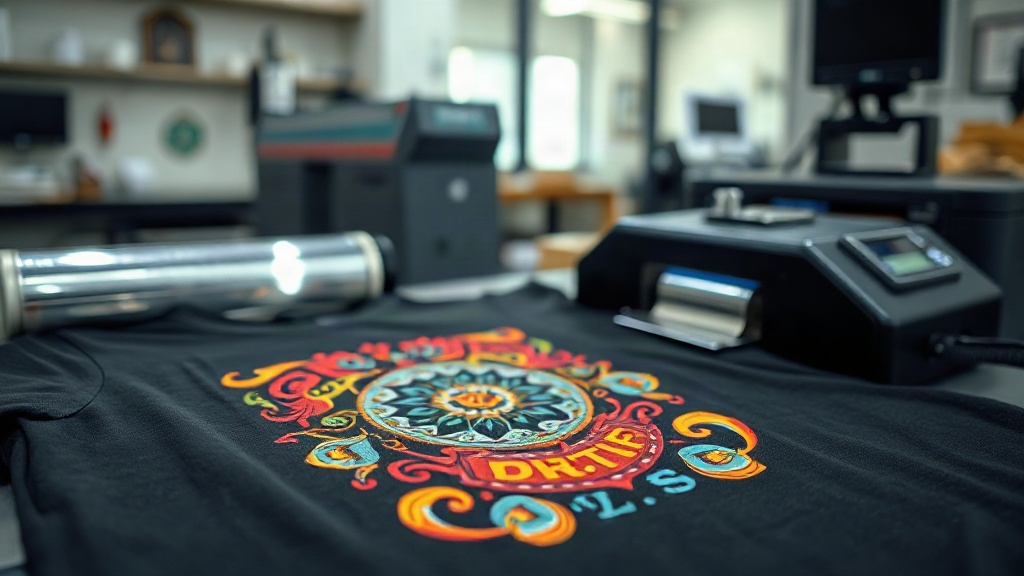
Ever wondered how those vibrant, detailed designs end up on T-shirts and tote bags? DTF printing, short for Direct-to-Film, is revolutionizing the custom apparel industry with its versatility and stunning results. Unlike traditional methods, DTF printing allows you to transfer intricate designs onto a wide range of fabrics with ease. In this guide, we'll walk you through everything you need to know about DTF printing, from the basics to practical tips for getting started.
What is DTF Printing?
DTF printing is a digital printing technique where your design is printed onto a special film, coated with adhesive powder, and then heat-pressed onto the fabric. This process eliminates the need for cutting or weeding, making it faster and more cost-effective for small businesses and hobbyists. The result is a soft, durable print that stretches with the fabric without cracking.
Why Choose DTF Printing?
There are several reasons why DTF printing has become a go-to method for custom apparel:
- Versatility: Works on cotton, polyester, blends, and even leather.
- Durability: Prints withstand repeated washing without fading.
- Detail: Captures fine lines and gradients beautifully.
- No minimums: Ideal for one-off designs or small batches.
How Does DTF Printing Work?
The DTF printing process involves several key steps:
- Design Preparation: Create your artwork and mirror it before printing.
- Printing: Use a DTF printer with specialized inks to print onto PET film.
- Powdering: Apply hot melt adhesive powder to the wet print.
- Curing: Heat the powder until it melts and bonds with the ink.
- Transfer: Heat press the film onto your garment, then peel off the film.
Each step requires attention to detail to ensure a flawless transfer.
Getting Started with DTF Printing
Equipment and Supplies
To start DTF printing, you'll need:
- A DTF printer (e.g., Epson converted models)
- DTF inks
- PET film
- Adhesive powder
- Heat press
- Design software
Investing in quality equipment pays off in the long run.
Choosing the Right Film and Powder
Not all films and powders are created equal. Look for films that offer good ink absorption and powders with a low melting point for efficient curing.
Perfecting Your Heat Press Settings
Temperature, pressure, and time are critical. Typically, press at 160°C (320°F) for 15 seconds to transfer, then peel while hot or cold depending on the film.
Common DTF Printing Mistakes to Avoid
- Not mirroring the design
- Using too much or too little powder
- Incorrect heat press settings
- Peeling the film too early or too late
Practice and patience will help you avoid these pitfalls.
DTF vs. Other Printing Methods
Compared to screen printing, DTF is more affordable for small runs. Unlike DTG, it works on dark and synthetic fabrics. And unlike vinyl, it handles complex designs effortlessly.
Frequently Asked Questions
What fabrics can I use with DTF printing?
DTF printing works on cotton, polyester, blends, leather, and more. It's especially great for polyesters and dark colors.
How durable is a DTF print?
When applied correctly, DTF prints can last as long as the garment itself, enduring 50+ washes without fading or cracking.
Do I need a special printer for DTF?
Yes, you need a DTF printer, which is typically an Epson printer converted with DTF inks and a film feeder. Alternatively, you can outsource printing to a service.
Can I use DTF on 100% cotton?
Absolutely! DTF adheres well to cotton, though the print may feel slightly stiffer than on polyester.
Is DTF printing cost-effective for small businesses?
Yes, DTF is cost-effective for small batches and one-offs because there's no minimum order and less waste compared to screen printing.
With its ease of use and high-quality results, DTF printing is a fantastic addition to any custom apparel business. Whether you're a hobbyist or a pro, mastering DTF opens up a world of creative possibilities.