
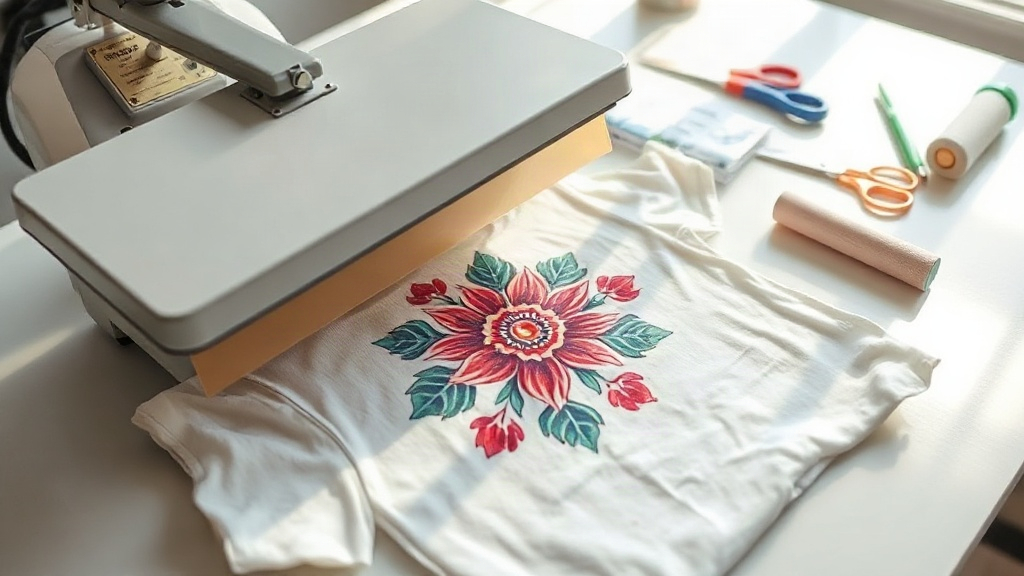
If you've been exploring custom apparel printing, you've likely heard about DTF Transfers. This innovative technology is rapidly becoming a favorite among hobbyists and professionals alike, offering vibrant colors, exceptional durability, and the ability to print on a wide range of fabrics. But what exactly are DTF Transfers, and how can you use them to bring your creative ideas to life? In this guide, we'll walk you through everything you need to know, from the basics to pro-level tips, so you can achieve flawless results every time.
What Are DTF Transfers?
DTF Transfers stand for Direct-to-Film transfers. Unlike traditional methods like screen printing or vinyl cutting, DTF involves printing your design onto a special film using a DTF printer and then applying it to your garment with a heat press. The process uses a special powder adhesive that melts and bonds the ink to the fabric, creating a soft, flexible, and long-lasting print. Because the design is printed on film first, you can transfer it to almost any fabric, including cotton, polyester, blends, and even nylon. This versatility makes DTF Transfers a go-to solution for custom t-shirts, hoodies, tote bags, and more.
Why Choose DTF Transfers Over Other Methods?
There are several printing methods out there, each with its own strengths and weaknesses. So why should you consider DTF Transfers? Here are some compelling reasons:
- No color limitations: Unlike vinyl, which requires layering and can be limited in color options, DTF can reproduce full-color images with gradients, fine details, and photographic quality.
- Works on many fabrics: You're not restricted to 100% cotton. DTF adheres well to polyester, blends, and even treated nylon, opening up a world of possibilities.
- Durability: When applied correctly, DTF prints resist cracking, peeling, and fading, even after multiple washes.
- Cost-effective for small batches: No need for screens or setup fees. You can print one-off designs or small runs without breaking the bank.
- Soft feel: The prints are thin and flexible, so they don't feel like a heavy patch on your garment.
These advantages make DTF Transfers an excellent choice for personalizing apparel, creating team uniforms, or starting a custom clothing business.
How to Apply DTF Transfers: Step-by-Step
Applying DTF Transfers is straightforward, but following the right steps ensures a professional finish. Here's what you need to do:
1. Gather Your Supplies
Before you start, make sure you have:
- Your DTF transfer (printed on film)
- A heat press (or an iron, though a press is recommended for consistent results)
- Parchment paper or a Teflon sheet
- The garment you want to decorate
- A lint roller or lint-free cloth
2. Prepare Your Garment
Preheat your heat press to the temperature recommended by your transfer supplier (usually around 325°F to 375°F). While it's heating, use a lint roller to remove any dust, lint, or debris from the garment's surface. This step is crucial for proper adhesion. If your garment is wrinkled, press it for a few seconds to smooth it out.
3. Position the Transfer
Place the DTF transfer face down onto the garment, with the printed side touching the fabric. If your transfer has a carrier film, make sure the design is facing the fabric. Position it exactly where you want it. You can use heat-resistant tape to hold it in place if needed.
4. Apply Heat and Pressure
Cover the transfer with parchment paper or a Teflon sheet to protect your heat press. Apply medium to firm pressure for 10-15 seconds. The exact time and temperature can vary depending on the film and ink used, so always check the instructions from your transfer provider. After pressing, let the garment cool completely before peeling off the film. This is called a "cold peel" and is standard for most DTF transfers.
5. Peel and Enjoy
Once cool, slowly peel away the film. Your design should remain on the garment, looking vibrant and smooth. If any part of the design lifts, place the film back down and press again for a few seconds. For added durability, you can press the finished print again with parchment paper for another 5-10 seconds.
Common Mistakes to Avoid with DTF Transfers
Even though DTF is user-friendly, a few missteps can ruin your results. Watch out for these:
- Not pre-pressing the garment: Moisture and wrinkles can prevent proper adhesion. Always pre-press for 5-10 seconds to remove moisture.
- Using too little pressure: Insufficient pressure means the adhesive won't bond fully. Use firm pressure, but don't overdo it to the point of squashing the design.
- Peeling too soon: Always wait until the transfer is completely cool. Peeling while hot can cause the design to stretch or tear.
- Ignoring temperature settings: Different films have different requirements. Using the wrong temperature can lead to poor adhesion or scorching.
- Not storing transfers properly: Keep unused transfers in a cool, dry place, away from direct sunlight and moisture.
By avoiding these pitfalls, you'll get consistent, professional-looking results with DTF Transfers.
Tips for Long-Lasting DTF Prints
To ensure your DTF prints stand the test of time, follow these care tips:
- Wait at least 24 hours before washing the garment.
- Turn the garment inside out before washing.
- Use cold water and a gentle cycle.
- Avoid bleach and fabric softeners, which can degrade the adhesive.
- Tumble dry on low or hang dry. Avoid high heat.
- Iron inside out, never directly on the print.
With proper care, your DTF prints can last as long as the garment itself.
Frequently Asked Questions About DTF Transfers
Can I use DTF transfers on dark garments?
Yes! DTF transfers include a white ink layer that makes colors pop on dark fabrics. The white base ensures the design remains vibrant and opaque, even on black or navy shirts.
Do I need a special printer to make DTF transfers?
Yes, DTF transfers require a DTF printer that uses pigment inks and a special film. However, you can also purchase pre-printed transfers from suppliers if you don't want to invest in a printer.
How do DTF transfers compare to DTG printing?
DTG (Direct-to-Garment) prints directly onto the fabric and works best on 100% cotton. DTF transfers can be used on a wider range of fabrics and often have a softer feel. DTF also allows for printing on dark colors without a pretreatment step, which is a plus.
What is the shelf life of DTF transfers?
When stored properly in a cool, dry place, DTF transfers can last for several months. Avoid exposing them to direct sunlight or high humidity, as this can affect the adhesive powder.
Can I stretch the garment after applying a DTF transfer?
DTF transfers are flexible and can stretch with the fabric to some degree. However, excessive stretching may cause cracking over time. For best results, avoid overstretching the printed area.
With this knowledge, you're ready to dive into the world of DTF Transfers. Whether you're a hobbyist or a business owner, this technique offers endless possibilities for custom apparel. Experiment, have fun, and watch your designs come to life with vibrant, durable prints.