
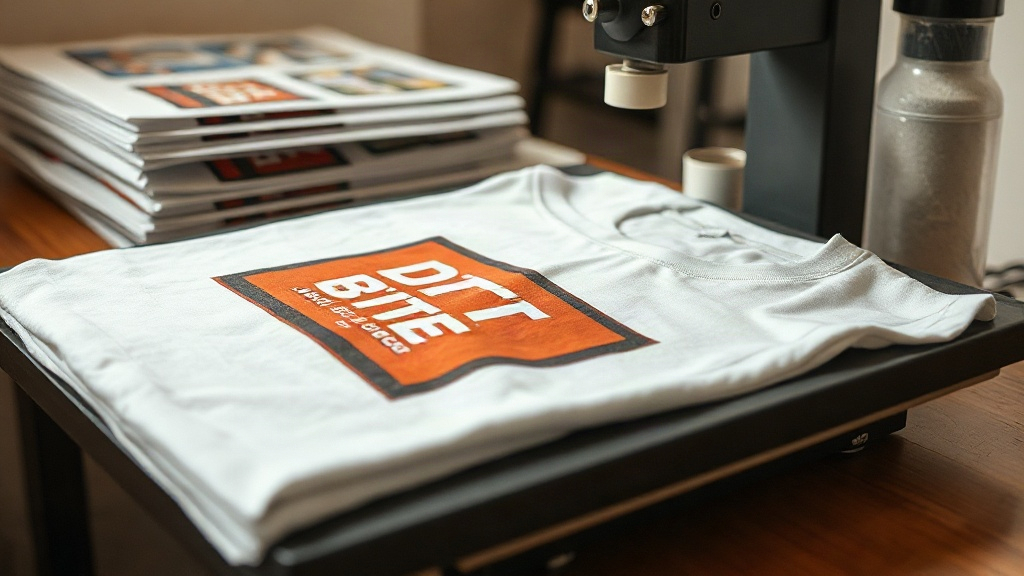
When you first hear about DTF transfers, you might wonder if they are just another passing trend in the custom apparel world. But after using them on everything from cotton tees to nylon jackets, I can tell you they are a game-changer. Unlike vinyl or screen printing, DTF transfers let you print full-color, photographic designs without weeding or color limitations. In this guide, I will walk you through exactly what DTF transfers are, why they have become so popular, and how you can use them to create professional-quality garments right from your home studio.
What Are DTF Transfers?
DTF stands for Direct to Film. The process involves printing a design onto a special PET film using water-based inks, then coating it with a thermoplastic powder while the ink is still wet. This powder adheres to the ink and becomes the adhesive that bonds the design to fabric when heat-pressed. The result is a transfer that feels soft, stretches with the fabric, and holds up wash after wash.
What sets DTF transfers apart is their versatility. You can print on almost any fabric: cotton, polyester, blends, even leather and nylon. And because the design is printed digitally, you can produce one-off pieces or large batches with equal ease. No screens, no setup fees, no minimums.
Why Choose DTF Transfers Over Other Methods?
If you have tried heat transfer vinyl (HTV) or screen printing, you know their limitations. HTV requires weeding, which is tedious for intricate designs, and it only works well on certain fabrics. Screen printing is cost-effective for large runs but expensive for small orders and limited in color complexity. DTF transfers solve these problems.
- No weeding: The design is printed and ready to press. You save hours of prep time.
- Full-color capability: Gradients, photographs, and fine details are no problem.
- Fabric versatility: Works on cotton, poly, blends, and even treated nylon.
- Durability: With proper application, DTF prints outlast vinyl and often rival screen printing.
- Cost-effective for short runs: No minimum order, so you can offer custom items without inventory risk.
I have used DTF transfers on everything from baby onesies to performance wear, and the results consistently impress. The prints stretch without cracking and maintain vibrant colors even after dozens of washes.
How to Apply DTF Transfers: Step-by-Step
Applying a DTF transfer is straightforward, but the details matter. Here is the process I follow for reliable results.
1. Prepare Your Workstation
You will need a heat press (or a home iron with caution), a lint roller, and a teflon sheet or parchment paper. Set your heat press to 325°F (160°C) for cotton, or 300°F (150°C) for polyester. Pre-press the garment for 5-10 seconds to remove moisture and wrinkles. This step is crucial for adhesion.
2. Position the Transfer
Place the DTF transfer on the garment with the printed side facing up. The powder side should be against the fabric. Use heat-resistant tape if needed to keep it in place. For dark fabrics, you might want to pre-heat the garment a bit longer to ensure the powder melts evenly.
3. Press and Peel
Apply medium pressure for 10-15 seconds. Then, while the transfer is still hot, peel the film off in a smooth, continuous motion. If you wait too long, the adhesive can set and cause the design to lift. I recommend a cold peel for some films, so always check the manufacturer's instructions.
4. Post-Press for Durability
After peeling, cover the design with a teflon sheet and press again for 5-10 seconds. This second press ensures the adhesive fully cures and the print becomes more resistant to washing and stretching.
Common Mistakes to Avoid with DTF Transfers
Even experienced crafters run into issues. Here are the pitfalls I see most often and how to avoid them.
- Insufficient pressure: If the press does not apply enough pressure, the powder will not bond properly, leading to early peeling. Adjust your press and test.
- Wrong temperature: Too hot and the film can warp or the ink can scorch; too cold and the adhesive won't activate. Invest in an infrared thermometer to verify.
- Peeling too soon or too late: Follow the film's instructions exactly. Hot peel vs. cold peel makes a big difference.
- Ignoring fabric type: Polyester requires lower temperatures to avoid dye migration. Use a low-temperature DTF film or a barrier sheet.
- Not washing inside out: To maximize longevity, wash garments inside out in cold water and tumble dry low.
DTF Transfers vs. DTG and Screen Printing
Direct-to-garment (DTG) printing is another digital method, but it requires pre-treatment and works best on 100% cotton. DTF transfers, on the other hand, need no pre-treatment and adhere to a wider range of fabrics. Screen printing still wins for massive orders of simple designs, but DTF is more flexible and cost-effective for complex, multi-color artwork. For a small business or hobbyist, DTF offers the best balance of quality, versatility, and startup cost.
Choosing the Right DTF Transfer Supplies
Not all DTF films and powders are created equal. When sourcing supplies, look for films that specify compatibility with your printer and powder that has a low melting point for smooth adhesion. I have tested several brands, and I find that films with a matte finish tend to produce more vibrant colors because they hold the ink better. Also, consider the powder particle size: finer powder gives a softer hand feel. If you are just starting, buy a starter kit that includes film, powder, and instructions. As you gain experience, you can experiment with different combinations to suit your specific needs.
Frequently Asked Questions About DTF Transfers
Can I use DTF transfers on dark colors?
Absolutely. DTF transfers are printed with a white ink base, so they show up vividly on dark fabrics. Just ensure you use enough powder and proper pressure to get good adhesion.
How long do DTF transfers last?
With correct application and care, DTF prints can last 50+ washes without fading or cracking. They are known for their durability, often outlasting vinyl.
Do I need a special printer for DTF transfers?
Yes, you need a DTF printer that uses DTF inks and a powder shaker. However, you can also buy pre-printed transfers from suppliers if you don't want to invest in a printer.
What fabrics work best with DTF transfers?
DTF works on cotton, polyester, blends, leather, and nylon. For best results, adjust temperature and pressure according to the fabric type.
Can I stretch DTF prints?
Yes, DTF transfers are elastic and will stretch with the fabric without cracking, making them ideal for athletic wear and stretchy materials.
DTF transfers have opened up a world of possibilities for custom apparel. Whether you are a hobbyist or a business owner, mastering this technique can elevate your creations. Give it a try, and you will see why so many professionals are making the switch.